The Ultimate Guide to Nutritional Strategies for Strength Training
Strength training is not just about lifting weights; it requires a well-balanced diet to fuel your body and optimize performance. One of the key nutritional strategies for strength training includes ensuring adequate protein intake. Aim for a daily intake of around 1.6 to 2.2 grams of protein per kilogram of body weight to support muscle repair and growth. Additionally, incorporate a variety of protein sources such as lean meats, dairy, legumes, and plant-based proteins to ensure you receive all essential amino acids.
Another important aspect of your nutritional strategy is carbohydrate management. Carbohydrates are the body’s primary energy source and are vital for fueling intense training sessions. Consider following a carbohydrate periodization strategy that adjusts your carb intake based on your training intensity and goals. For example, consume more carbs on days with heavy lifting sessions and reduce intake on rest days to manage body composition effectively. Lastly, don't neglect hydration—opt for water and electrolyte sources to maintain optimal performance and recovery.
Top 10 High-Calorie Foods to Fuel Your Workouts
When it comes to fueling your workouts, incorporating high-calorie foods into your diet can provide the necessary energy to perform at your best. Here are the top 10 high-calorie foods that can help you power through your exercise routine:
- Nut Butters: Almond or peanut butter are packed with healthy fats, protein, and calories, making them an ideal pre- or post-workout snack.
- Avocados: Rich in healthy monounsaturated fats, avocados can help add creaminess to your meals while fueling your body.
- Granola: A dense source of calories and energy, granola is excellent when combined with yogurt or enjoyed as a snack on its own.
- Dried Fruits: Raisins, apricots, and dates are loaded with calories and sugars, offering a quick energy boost during your workouts.
- Cheese: High in calories and protein, cheese can be a delicious addition to many meals that fuels your body.
Continuing our list of high-calorie foods, here are more options that can enhance your workout nutrition:
- Salmon: Packed with omega-3 fatty acids and protein, salmon is perfect for muscle recovery.
- Olive Oil: A calorie-dense fat that can be drizzled over salads or vegetables for an extra energy boost.
- Whole Grains: Foods like quinoa, brown rice, and oats are not only high in calories but also provide long-lasting energy.
- Bananas: These fruits are great for replenishing energy levels due to their high carbohydrate content.
- Dark Chocolate: Rich in calories and antioxidants, dark chocolate can satisfy your sweet tooth while giving your energy a lift.
How to Create a Meal Plan that Supports Massive Gains
Creating a meal plan that supports massive gains involves a strategic approach to nutrition. First, it's important to understand your caloric needs based on your current weight, goals, and activity level. Begin by calculating your total daily energy expenditure (TDEE) and add a surplus of 300-500 calories to fuel muscle growth. Make sure your meal plan includes a balance of macronutrients: approximately 40% carbohydrates, 30% protein, and 30% fats. Focus on nutrient-dense foods such as lean meats, whole grains, vegetables, and healthy fats to optimize performance and recovery.
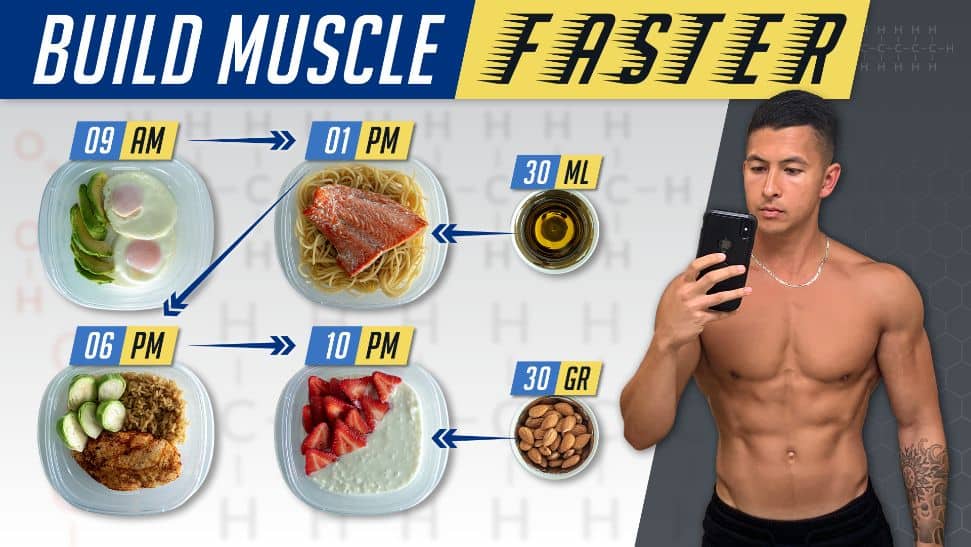
Next, structure your meal plan to ensure you’re eating regularly throughout the day. Aim for 5-6 meals, incorporating a mix of protein, carbs, and fats in each meal. For instance, a sample daily menu could look like this:
- Breakfast: Oatmeal with banana and protein powder
- Snack: Greek yogurt with nuts
- Lunch: Grilled chicken with quinoa and broccoli
- Snack: Protein shake and fruit
- Dinner: Salmon with sweet potatoes and spinach
- Evening snack: Cottage cheese with berries