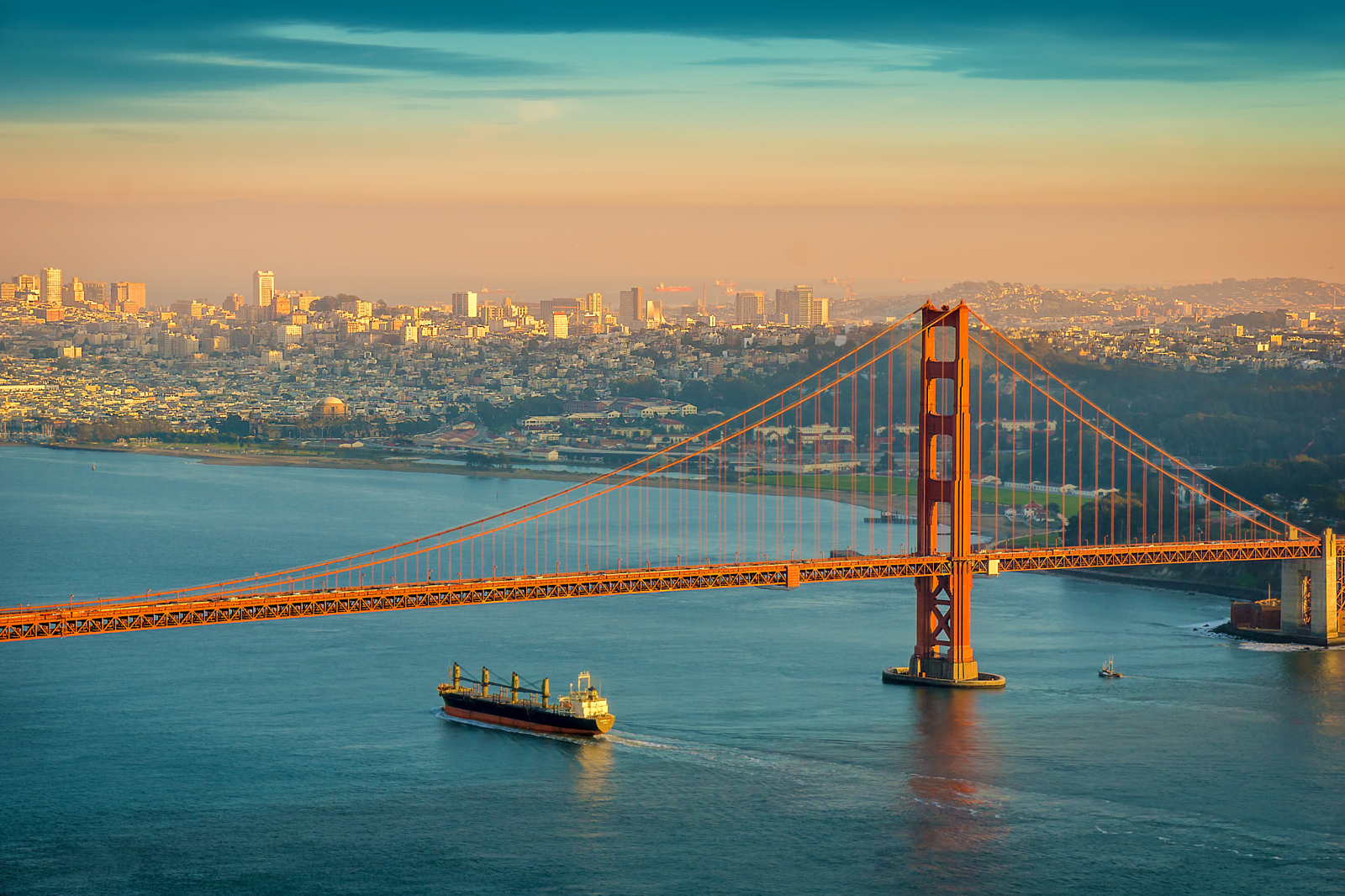
Top 10 Tips for Capturing Stunning Travel Photography
Travel photography is an art that allows you to capture breathtaking moments and share them with the world. To help you elevate your travel photography game, here are the top 10 tips that can make your pictures stand out:
- Research Your Destination: Before you travel, explore the location's unique features, landscapes, and cultural highlights.
- Golden Hours: Shoot during the early morning or late afternoon when the light is soft and warm.
- Rule of Thirds: Use this composition technique to create more engaging and balanced photos.
- Invest in a Good Camera: While smartphones are convenient, a DSLR or mirrorless camera offers more creative control.
- Experiment with Angles: Don’t just shoot from eye-level; try different perspectives to find the most compelling view.
Additionally, the right editing tools and techniques can greatly enhance your travel pictures. Here are the remaining tips to enrich your photography journey:
- Tell a Story: Capture not just landscapes but also the emotions and experiences of the trip.
- Include People: Adding people to your images can provide scale and tell a deeper story.
- Use Natural Frames: Utilize natural elements like trees or architecture to frame your subject.
- Practice Patience: Sometimes the best shots require you to wait for the perfect moment.
- Post-Processing: Use software like Adobe Lightroom or Photoshop to fine-tune your images and bring your vision to life.
How to Choose the Right Camera Gear for Your Adventure
Choosing the right camera gear for your adventure is crucial to capturing stunning images and creating lasting memories. Start by assessing your specific needs: Will you be hiking through rugged terrain, or are you planning a leisurely beach trip? The type of environment you’ll be photographing will heavily influence your gear selection. For example, if you're venturing into the wild, consider investing in a lightweight mirrorless camera and a versatile zoom lens that can adapt to various situations. Additionally, keep an eye on the weather conditions you'll encounter, as some cameras have better weather sealing which can be vital for outdoor photography.
Next, think about the accessories that will enhance your photography experience. Here are a few essential items to consider packing:
- Extra batteries - Always be prepared for long days of shooting.
- A quality tripod - This is especially important for landscape photography or low-light conditions.
- Filter setups - Polarizing and ND filters can help you achieve stunning effects in your shots.
- A durable camera bag - Ensure your equipment is protected as you trek through various terrains.
Finally, don’t underestimate the importance of familiarizing yourself with your gear before your trip. Spend time practicing in different settings to understand how to best utilize your camera gear. This preparation will allow you to fully embrace your adventure!
What are the Best Techniques for Taking Pictures While Traveling?
Travel photography is an art that requires both skill and an eye for detail. To capture the best images while on the road, it's essential to understand your surroundings and utilize natural light effectively. One of the best techniques is to shoot during the golden hour, which occurs shortly after sunrise and before sunset. During this time, the soft, warm light enhances the beauty of landscapes and subjects. Additionally, consider the composition of your shots; applying the rule of thirds can significantly improve your images. This technique involves dividing your frame into nine equal parts and positioning your main subject along these lines or at their intersections.
Another effective technique is to incorporate local culture into your travel photos. Engaging with locals and capturing candid moments can provide a narrative that resonates with your audience. Using an on-the-go photography setup, such as a lightweight camera or even a smartphone, allows you to be spontaneous and flexible. Remember to experiment with different angles and perspectives to add depth to your photography. Lastly, don’t forget to edit your photos after your travels; a bit of post-processing can enhance colors and sharpness, ensuring your travel memories are as vivid as they were in real life.