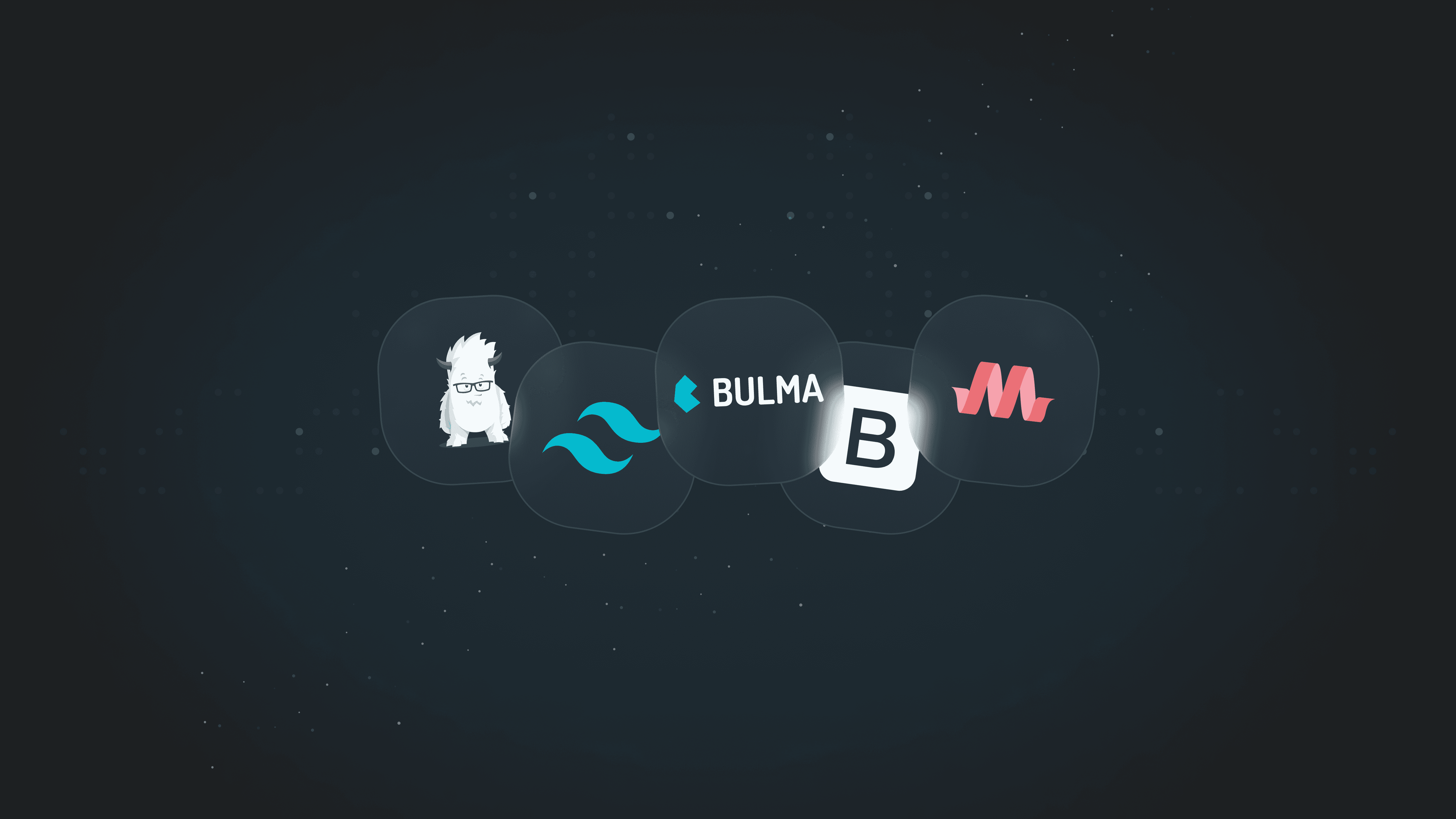
10 Lesser-Known CSS Frameworks That Will Change Your Workflow
In the ever-evolving landscape of web development, CSS frameworks have become essential tools that streamline the process of styling and layout. While frameworks like Bootstrap and Tailwind CSS are widely recognized, there are numerous lesser-known CSS frameworks that can significantly enhance your workflow. These frameworks offer unique features that cater to various design needs, making them valuable additions to your toolkit. Here are ten standout options:
- Skeleton - A lightweight framework focused on simplicity and minimalism, perfect for quick prototypes.
- Milligram - A minimalist stylesheet that provides a clean starting point for faster web development.
- Pure.css - A set of small, responsive CSS modules that developers can use in any web project.
- Fomantic UI - An open-source framework that emphasizes human-friendly HTML and intuitive design.
- Susy - A powerful framework aimed at creating a flexible grid system for the modern web.
- Semantic UI - Offers a variety of UI components to help create a more natural-hitting design.
- Bulma - A modern CSS framework based on Flexbox, providing a clean aesthetics with a simple set of classes.
- UIKit - A lightweight and modular front-end framework for developing fast and powerful web interfaces.
- Tachyons - A functional CSS framework that allows for rapid prototyping with low-level utility classes.
- Blaze.css - Designed for mobile-first development, offering a robust set of styling tools to enhance user experience.
How to Choose the Right CSS Framework for Your Project
Choosing the right CSS framework for your project is crucial to ensure efficient development and a polished end product. Begin by evaluating the specific needs of your project. Consider factors such as responsiveness, compatibility with various browsers, and the learning curve associated with the framework. Popular options like Bootstrap, Tailwind CSS, and Foundation each offer distinct benefits. For example, Bootstrap is known for its extensive pre-built components, while Tailwind CSS provides a highly customizable utility-first approach. Make a list of requirements and narrow down your options to those that align with your goals.
Once you have a shortlist, take the time to examine the documentation and community support for each CSS framework. Good documentation is vital for troubleshooting and maximizing the capabilities of the framework. Check for active community forums and resources that can assist you during development. Additionally, evaluate the performance of each framework in real-world scenarios. Consider conducting a small test project to assess the framework's functionality and flexibility. By following this systematic approach, you can confidently select a CSS framework that will enhance your project's overall success.
The Pros and Cons of Using Lightweight CSS Frameworks
Lightweight CSS frameworks are designed to provide developers with a minimal set of tools to create stylish and responsive websites without the bloat of larger frameworks. One of the main pros of using these frameworks is their speed; websites built on lightweight CSS frameworks tend to load faster because they include only essential styles and components. Additionally, they offer great flexibility, allowing developers to customize and extend their design without being tied down by rigid styles. For beginners, these frameworks can simplify the learning curve, enabling new developers to focus on core CSS concepts and best practices while still providing a solid foundation for styling.
However, there are also some cons to consider. Due to their stripped-down nature, lightweight CSS frameworks may lack certain components or features typically found in more comprehensive frameworks, which could result in developers needing to create custom solutions for common UI patterns. Additionally, while flexibility is a benefit, it can also lead to inconsistency if developers aren't careful to maintain a cohesive design language throughout their projects. In conclusion, while lightweight CSS frameworks can be a boon for speed and ease of use, it’s important to weigh these advantages against the potential drawbacks before deciding to implement them in your web development projects.