5 Types of Insulation: Which is Best for Your Home?
When it comes to choosing the right insulation for your home, understanding the 5 types of insulation available is crucial. Each type offers different benefits based on your specific needs, climate, and budget. Here are the most common types:
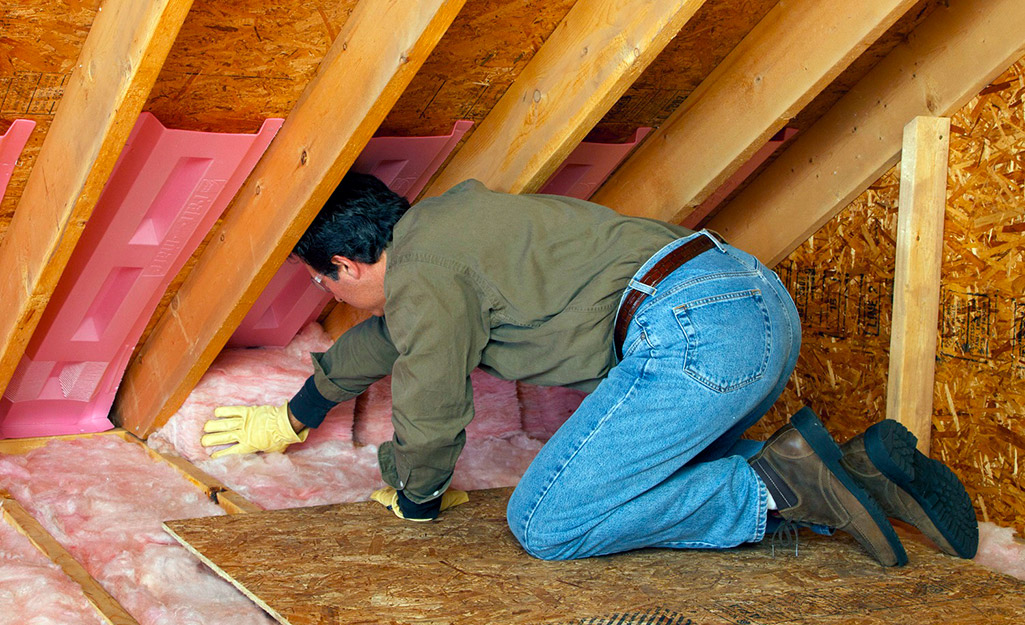
- Fiberglass Insulation: Known for its excellent thermal performance and affordability, fiberglass insulation is a popular choice for many homeowners.
- Foam Board Insulation: This rigid insulation material provides high insulation value with a thin profile, making it ideal for areas where space is limited.
- Spray Foam Insulation: Offering superior air sealing capabilities, spray foam expands on application, filling gaps and cracks to prevent air leaks.
- Cellulose Insulation: Made from recycled paper products, cellulose is an eco-friendly option that provides good thermal resistance and soundproofing qualities.
- Mineral Wool Insulation: Also known as rock wool, mineral wool is fire-resistant and provides excellent sound-dampening properties.
The best type of insulation for your home ultimately depends on your specific needs, such as climate conditions, installation costs, and desired energy efficiency. For example, if you live in a colder region, fiberglass or spray foam insulation may be ideal choices. In contrast, homeowners in warmer climates might benefit more from foam board insulation or cellulose insulation for their ability to regulate temperature. Always consult with a professional to determine the best solution tailored to your home and budget.
How Proper Insulation Can Save You Money on Energy Bills
Proper insulation is crucial for maintaining an energy-efficient home. When your home is well-insulated, it prevents heat from escaping during the winter and keeps it out during the summer. This means your heating and cooling systems don’t have to work as hard to maintain a comfortable temperature, which can significantly lower your energy bills. Homes with inadequate insulation can lose up to 20% of their heating and cooling energy, leading to higher monthly costs. By investing in insulation, you can ensure your home stays comfortable all year round without breaking the bank.
In addition to reducing energy costs, proper insulation can also extend the lifespan of your heating and cooling systems. When these systems operate more efficiently, they face less wear and tear, which can lead to fewer repairs and a longer life expectancy. This not only saves you money on energy bills but can also reduce maintenance costs over time. In summary, proper insulation is a wise investment that pays off in multiple ways: lower energy costs, improved comfort, and increased equipment longevity.
Is Your Home Insulated Enough? Signs You Need More Insulation
Proper insulation is crucial for maintaining a comfortable and energy-efficient home. If you're wondering is your home insulated enough, there are several signs to look out for. One major indicator is fluctuating temperatures; if certain rooms in your home feel significantly warmer during summer or colder in winter, it could signify inadequate insulation. Another telltale sign is an increase in energy bills. A sudden spike in costs, especially during extreme weather conditions, may suggest that your heating or cooling systems are working overtime due to poor insulation.
Additionally, pay attention to drafts and cold spots throughout your home. If you're feeling chilly air seeping through windows, doors, or walls, it may indicate that your home needs more insulation. Performing a visual inspection can also help; check your attic and crawlspaces for thin or deteriorating insulation. You might even notice icicles forming on your roof during winter, which can signal heat loss and insufficient insulation levels. Identifying these signs early can save you money and improve your home's overall comfort and energy efficiency.