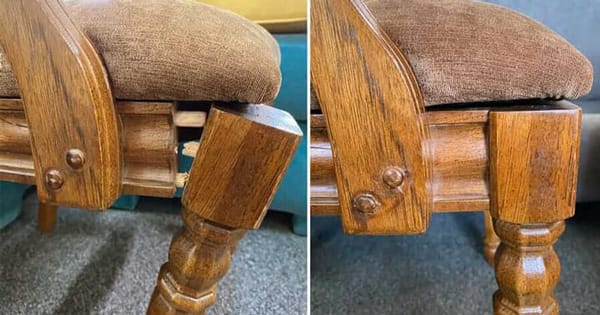
5 Essential Tips for Reviving Old Furniture
Reviving old furniture can breathe new life into your home while saving you money. Here are 5 essential tips to help you embark on this rewarding project:
- Assess the Condition: Before diving into any restoration, examine the piece for structural integrity, such as loose joints or damaged surfaces. Determine whether the furniture is worth restoring based on its potential longevity and your personal attachment to it.
- Clean Thoroughly: A clean surface is crucial for successful refinishing. Use a mixture of soap and water or a specialized cleaner for wood to remove dirt and grime. Make sure to rinse and dry the piece properly before proceeding.
Once your furniture is clean, consider the following tips to enhance its appearance:
- Choose the Right Finish: Whether you decide to refinish, paint, or stain your furniture, selecting the right finish can drastically change its look. Test samples in a small area to see how they interact with the original material.
- Accessorize: Adding new hardware, such as knobs or handles, can completely transform the piece. Look for accessories that complement the style you want to achieve.
- Don’t Rush: Lastly, take your time with each part of the restoration process. Rushing may lead to mistakes that can diminish the beauty of your revived furniture. The key is to enjoy the journey of bringing old furniture back to life!
The Ultimate Guide to Furniture Restoration: Techniques and Tools
The Ultimate Guide to Furniture Restoration begins with a fundamental understanding of the different techniques and tools that will help you breathe new life into old furniture. Restoration can range from simple cleaning and polishing to more complex procedures such as refinishing or reupholstering. Here are some key techniques you might consider:
- Cleaning: Start with a thorough cleaning using appropriate solutions to remove dirt and grime.
- Stripping: If the finish is beyond saving, use a stripping agent to remove old paint or varnish.
- Repairing: Fix any structural damage, which may involve gluing joints or replacing broken pieces.
- Refinishing: Apply new stain or finish to restore the piece's original luster.
In addition to techniques, having the right tools is crucial in furniture restoration. A well-equipped toolkit can drastically simplify the restoration process. Here are some essential tools to consider:
- Screwdrivers: Both flathead and Phillips for disassembly.
- Sandpaper: Various grits for smoothing surfaces.
- Wood Glue: For repairs to joints and cracks.
- Paint Stripper: To remove old finishes safely.
- Brushes and Rags: For applying stains and finishes evenly.
By mastering these techniques and utilizing the right tools, you'll be well on your way to successful furniture restoration.
How to Transform Your Home with Upcycled Furniture Ideas
Upcycling is not just a trend; it's a sustainable approach to home decor that allows you to breathe new life into old furniture while reducing waste. One of the most appealing aspects of upcycled furniture ideas is their versatility. Consider transforming an old wooden chair into a stylish plant stand or reimagining an antique dresser as a unique bathroom vanity. The possibilities are endless, and with a bit of creativity, you can create pieces that complement your personal style while telling a story. Start by assessing the furniture items you already own and envisioning how they can serve a new purpose.
To get started with your upcycled furniture ideas, here are a few suggestions to inspire your creativity:
- Refinish an old table with a fresh coat of paint or stain to match your home decor.
- Turn a vintage suitcase into a chic coffee table by adding legs.
- Repurpose wooden pallets into shelves or a rustic bed frame.
- Use old crates as trendy side tables or storage solutions.
With these ideas, you can easily infuse your home with character, all while making environmentally conscious choices that showcase your unique style.